


As the 2025-26 season unfolds, the race to secure a place at the 2026 FIFA World Cup is intensifying across Europe. With qualifiers carrying increasing importance, a new wave of players is stepping up at both club and international level, rapidly transforming themselves from prospects into genuine World Cup contenders.
This article focuses exclusively on players who have made major leaps forward this season, rather than those already established as international stars.
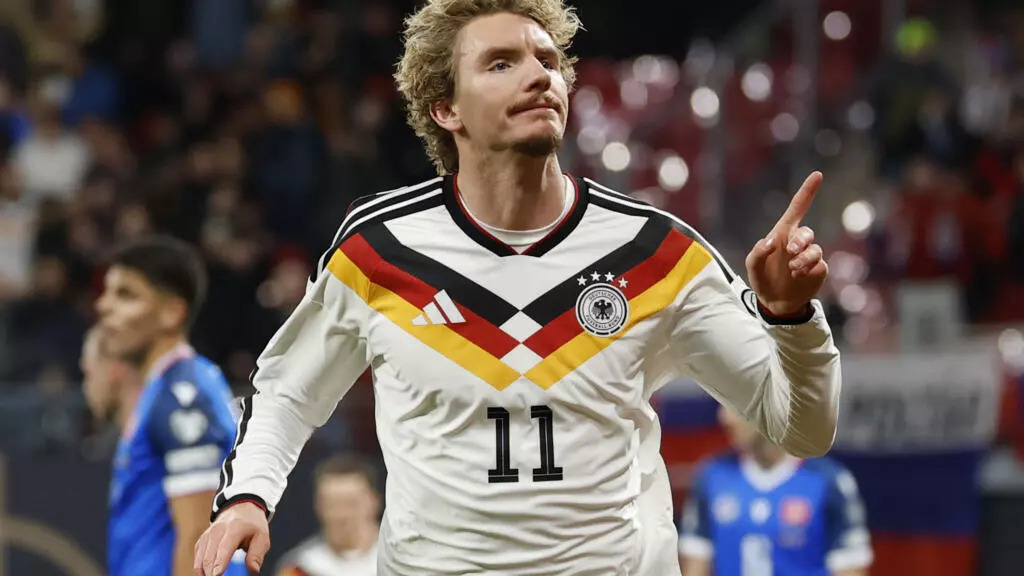
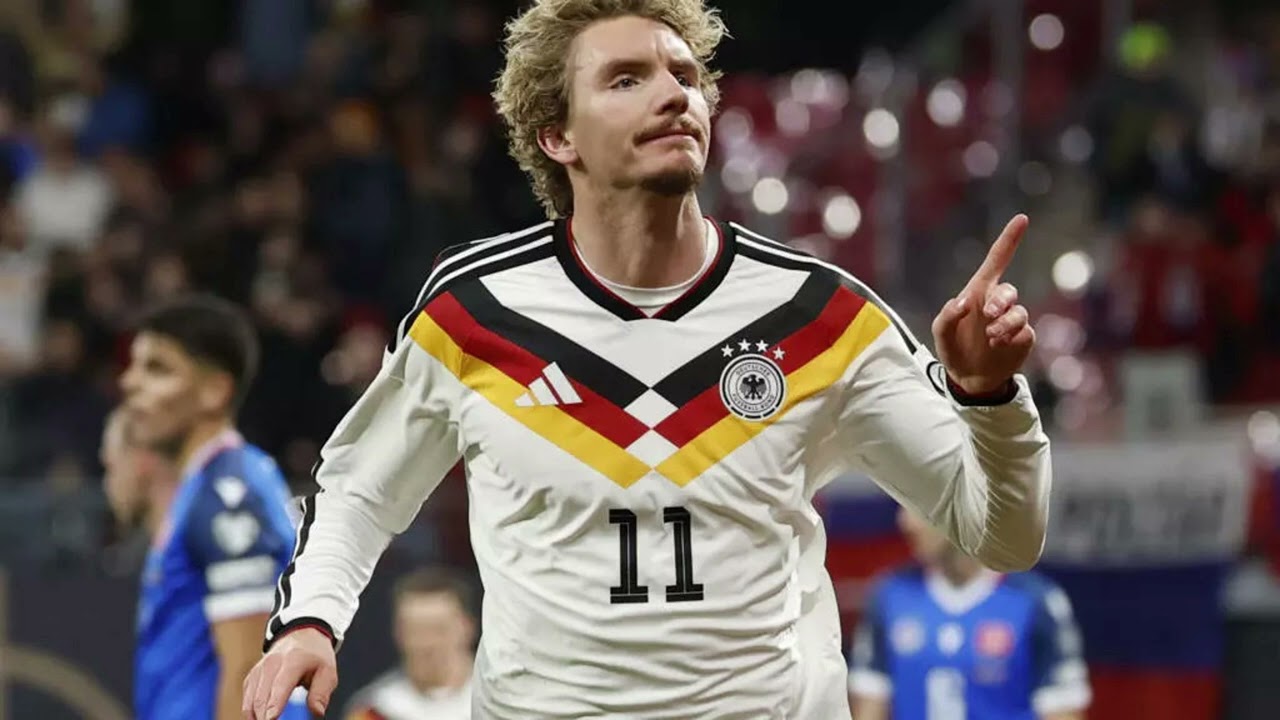
Nick Woltemade – Germany’s Unexpected Goal Threat
Nick Woltemade has completed one of the most remarkable rises in German football this year. Having featured primarily at under-21 level not long ago, he is now delivering decisive goals during World Cup qualification matches for Germany.
What makes Woltemade’s progress particularly notable is that his international performances have arguably outpaced his club impact. While he continues to impress domestically, his clutch goals for the national team have placed him firmly on track for a World Cup debut.
Hugo Ekitike – Club Form Driving World Cup Hopes
Hugo Ekitike initially entered France’s senior squad as injury cover, but his strong club form has ensured he remains firmly in contention. Although his role with the national team has largely been from the bench, his scoring output in the Premier League has significantly boosted his standing.
Ekitike’s goals have arrived during a challenging period for his club, underlining his ability to perform under pressure. That consistency is strengthening his case as a viable attacking option for France at World Cup 2026.
Nico O’Reilly – Reinventing Himself at Manchester City
At just 20 years old, Nico O’Reilly has undergone a rapid transformation this season. Originally developed as an attacking midfielder, he has successfully adapted to a left-back role at the highest level.
His tactical intelligence and versatility have earned trust at international level, including a starting role in a key World Cup qualifier. O’Reilly’s trajectory suggests he is no longer fighting merely for squad inclusion, but potentially for a starting position.
Morgan Rogers – Aston Villa’s Engine Room Star
Morgan Rogers has taken another significant step forward after an already impressive previous campaign. This season, he has become a central figure for Aston Villa, contributing not only goals and assists but also ball progression and physical presence from midfield.
His all-around influence has sparked serious discussion about his place within England’s midfield hierarchy. Rogers is no longer viewed as a future option, but as a present contender capable of challenging established names.
Joan Garcia – Spain’s Goalkeeping Future
Joan Garcia’s return to the starting lineup has brought renewed stability and confidence. His shot-stopping and composure have played a major role in maintaining momentum during a critical phase of the season.
Despite not yet earning a senior international cap, his performances have placed him firmly in Spain’s long-term plans. A starting role at World Cup 2026 is now a realistic possibility rather than a distant ambition.
Lennart Karl – Bayern Munich’s Teenage Gamble Paying Off
At only 17, Lennart Karl has already started important matches at the highest level, including scoring in elite European competition. His technical quality, decision-making, and maturity have stood out well beyond his age.
Competition for attacking midfield roles remains fierce, but Karl’s rapid development has forced him into serious World Cup discussions. Even without senior international experience, his progress highlights just how quickly modern football careers can accelerate.
Final Outlook
As World Cup 2026 approaches, these breakout players reflect a broader shift in international football. Qualification matches and high-pressure club performances are increasingly fast-tracking young talents into national team contention.
For fans tracking the next generation of stars, these names are no longer outsiders. They are emerging as genuine figures in the evolving World Cup picture.