


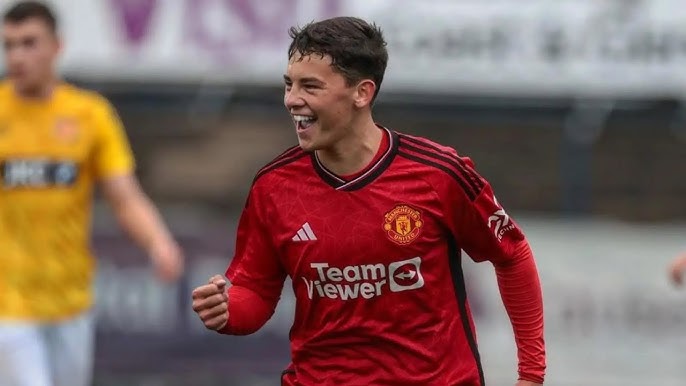
Manchester United’s latest academy storyline comes with a sharp contrast. Shea Lacey’s cameo against Brighton ended in frustration and a red card, yet it also sparked a bold comparison that instantly grabbed attention: Phil Jones likened the teenager’s style to Phil Foden’s. For U.S. readers tracking emerging Premier League talent, it’s the kind of “one bad moment, one big endorsement” arc that can define a prospect’s early narrative.
A short cameo that changed the conversation
United trailed late and needed energy. Lacey came on to help chase the game. He started well. He took the ball early. He turned quickly. He tried to drive at defenders instead of playing it safe.
Then the game sped up in the worst way.
Lacey picked up two bookings in a flash. The second one came from a moment of frustration. The referee sent him off, and Lacey left the pitch in tears. In a cup tie, that kind of exit hurts. For a young player, it hurts even more.
Why Phil Jones compared him to Phil Foden
Jones didn’t hand out a “future star” label for fun. He pointed to traits you can’t teach easily.
Lacey keeps the ball close when he dribbles. He invites pressure, then slips away from it. He also plays direct. He wants to move toward goal, not just keep possession. When he gets a yard of space, he looks ready to shoot or slide a pass.
That sounds familiar for a reason. Foden built his game on those same ideas: quick touches, sharp angles, and calm decisions in crowded areas.
Who is Shea Lacey?
Lacey is an 18-year-old attacker from United’s academy. He plays like a modern winger or attacking midfielder. He uses his left foot to shift the ball and create a lane. He also looks comfortable taking risks, even at senior level.
United have already given him a few first-team appearances. That matters. Clubs don’t hand out minutes at Old Trafford unless they see something they trust.
What Lacey needs to do next
The red card will follow him for a bit. Fans will remember it. Opponents will test him. Coaches will watch how he reacts.
But Lacey controls the next chapter.
He can learn to manage emotion. He can stay aggressive without losing discipline. He can channel that edge into smart pressing, smart tackles, and smarter decisions after the whistle.
If he does that, the headlines will move on from the sending-off. People will talk about his next cameo, his first start, or his first big goal instead.
Bottom line
Lacey made a costly mistake in a high-pressure game. He also showed enough quality to earn public backing from a former United defender.
That’s why the phrase “Shea Lacey compared to Phil Foden” has legs. It doesn’t promise stardom. It points to a style: technical, direct, and fearless on the ball.
Now Lacey just needs to prove it again—this time for longer than a few minutes.